About Burslem Pottery
The name ‘Burslem Pottery’ has been around for well over a hundred years, with its fortunes sometime up, then down and finally non-existent. Founded in 1894 by C F Bailey at the Scotia Works, Burslem, Stoke-on-Trent, Burslem Pottery made decorated earthenware for domestic use. The traditional Potteries’ blue was ever-present, but so too was a novel pink colour which stimulated fashionable demand. By 1918, the company boasted that its glazes were ‘leadless’, and its new designs were registered in a regular stream at the Design Registry in London. Throughout the early years of its existence, Burslem Pottery used a single back stamp, enabling contemporary internet hunters in the secondary market to track down examples offered for sale all over the world. However by 1935 Burslem Pottery simply faded away.
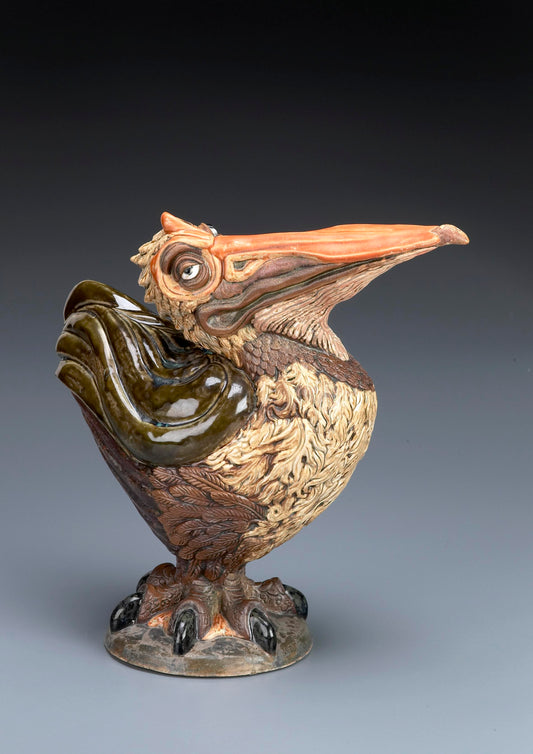
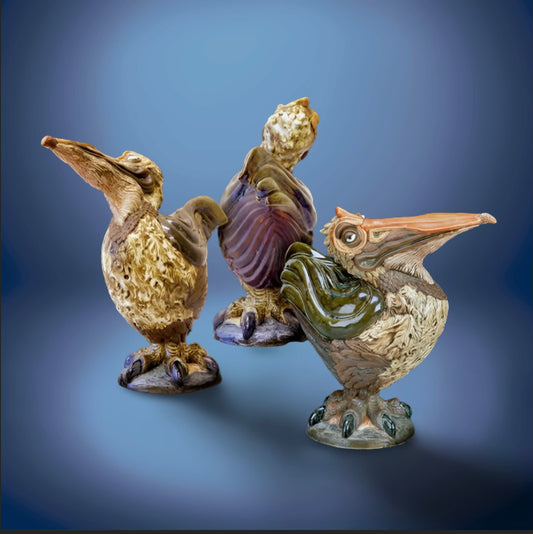
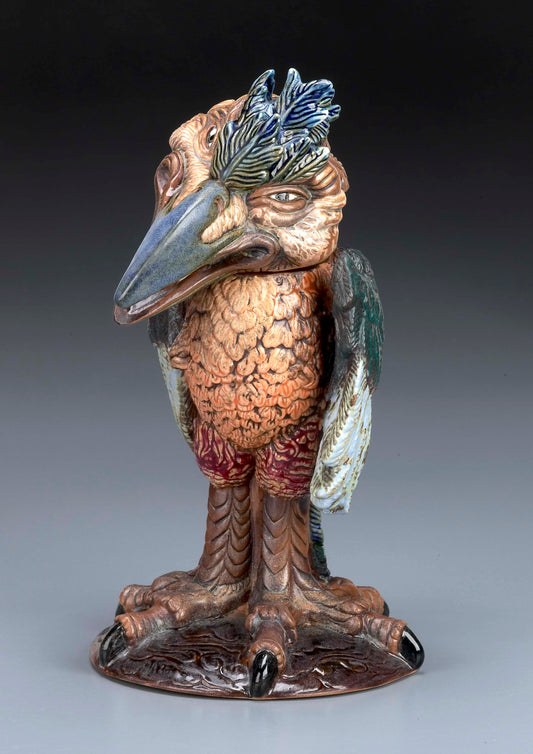
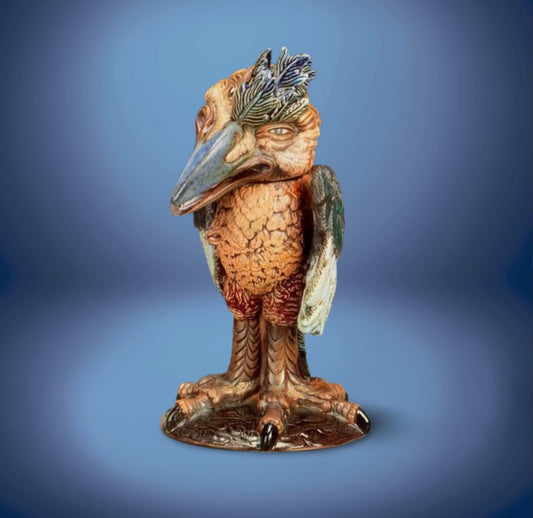
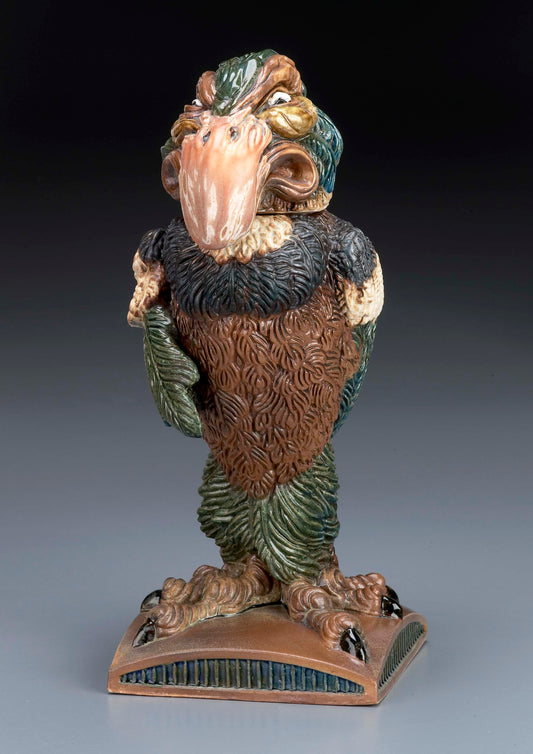
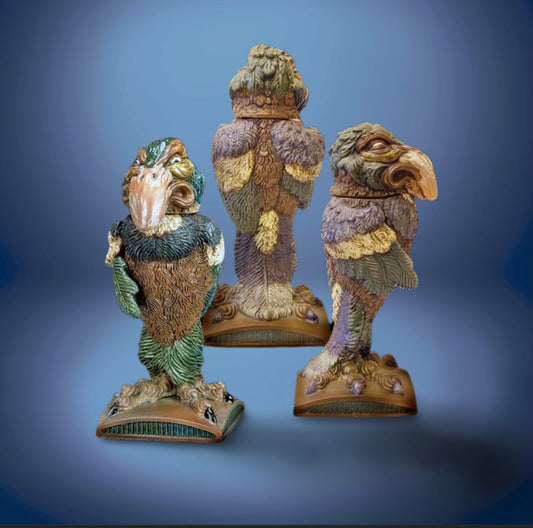
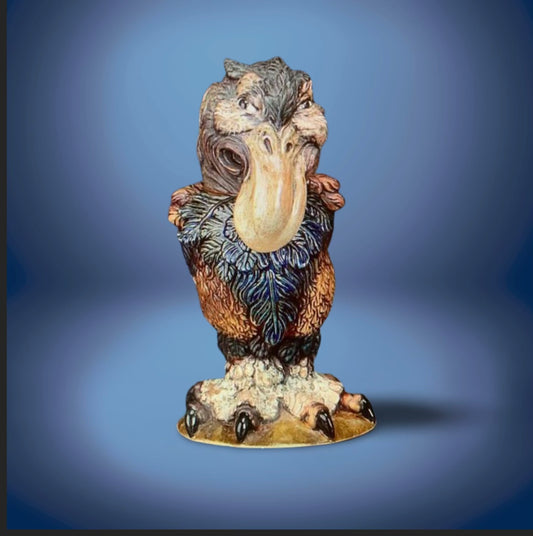
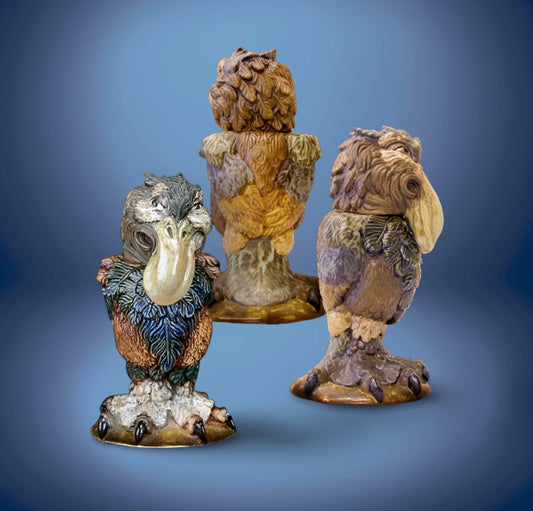
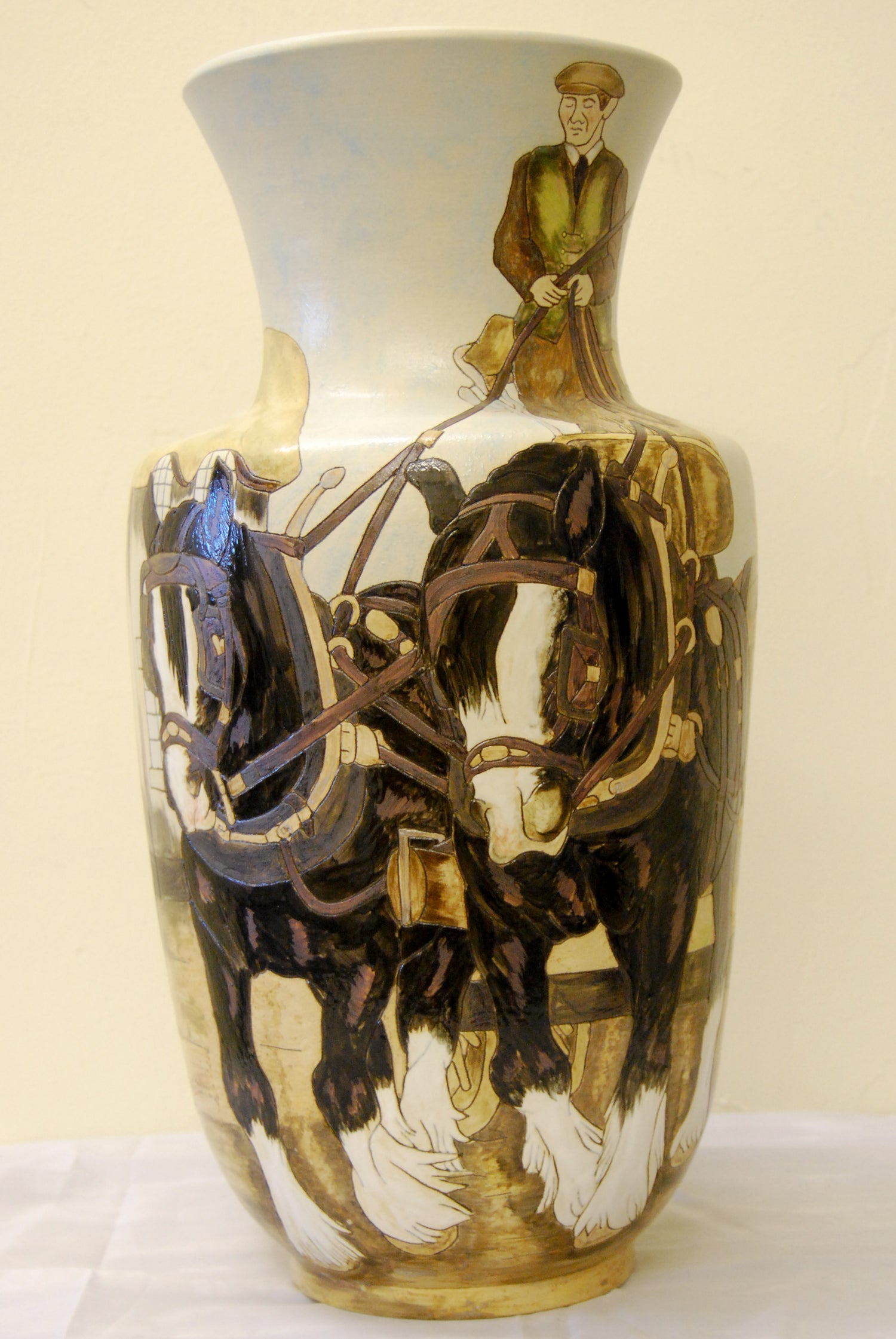
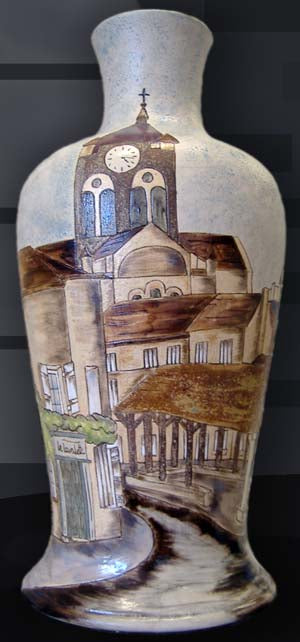
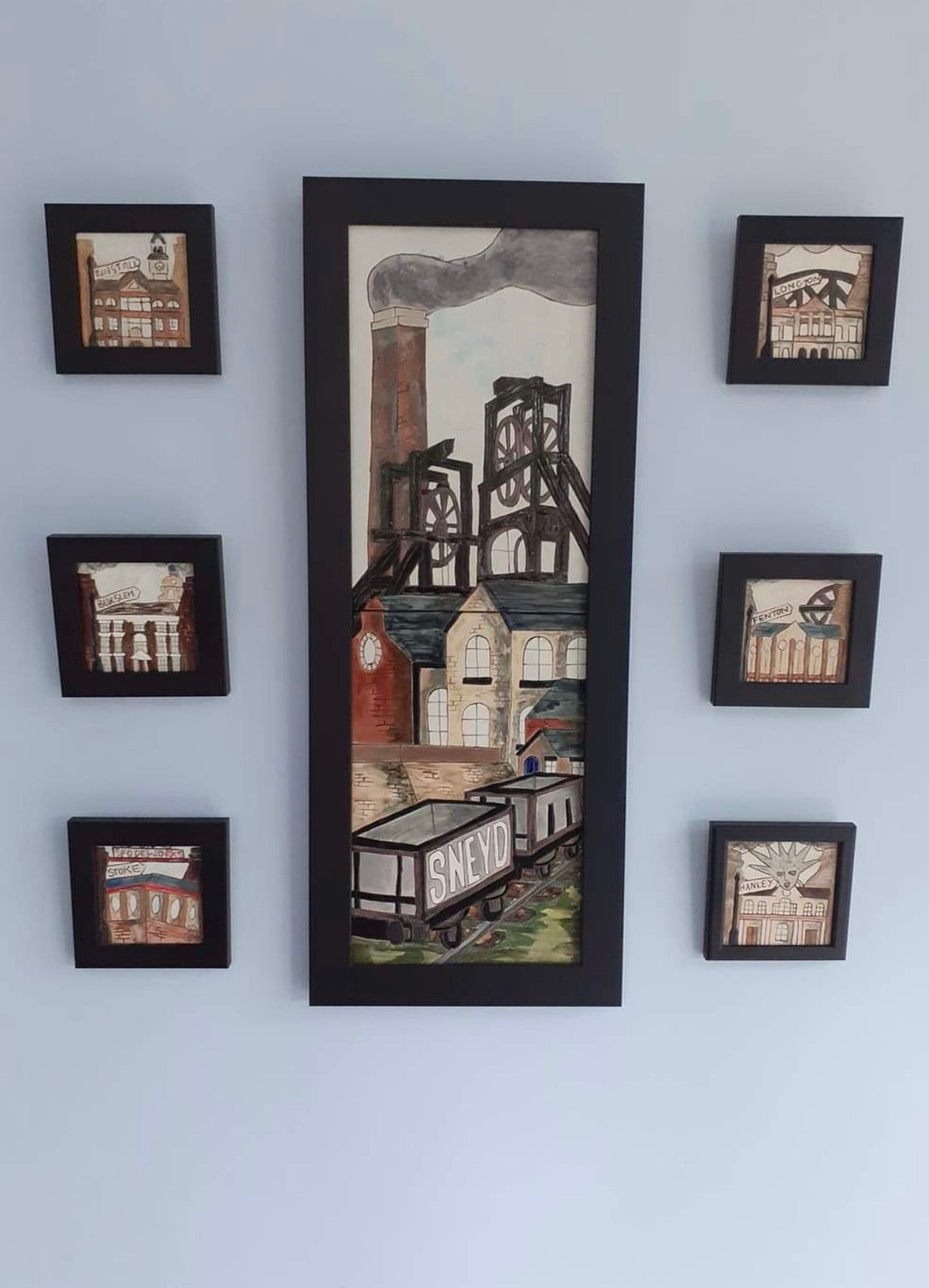
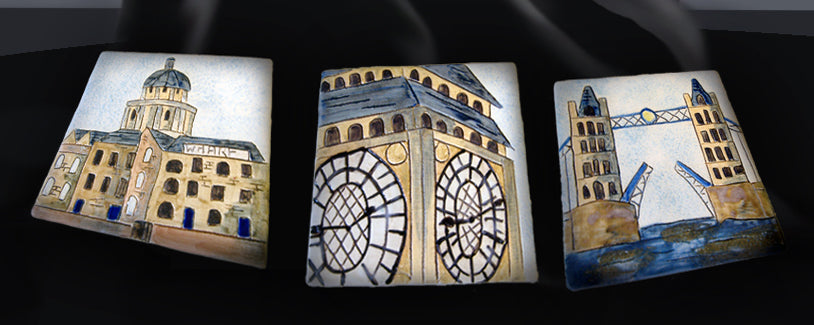
The art which Burslem Pottery produces today originates from the time that Burslem Pottery Limited was a Moorcroft company and the magic passed on to it from that company was an ability to create defined design images in stoneware, something which had eluded potters for more than six centuries until Moorcroft cracked the secret. The quirky, sculptured birds, reptiles and animals and sgraffito linework Iin the style of the 'Martin Brothers' did not sit comfortably with the Moorcroft style today, and Moorcroft passed on its creation to potter, Jerry Marshall.The business as now been sold to Tracy Bentley who will continue to produce the fine quality work from deep in the heart of the Staffordshire Potteries, tracy & her small team continues the tradition of making unique stoneware by hand from start to finish. Special colours, glazes and raw materials are sourced from around the world. The pottery is fired in special kilns at temperatures so high that colour, clay and glazes fuse together to create totally unique works of art. No two pieces will ever be the same.
Many of you will be aware that Tracy Bentley spent many years painting for Cobridge Stoneware & Moorcroft. Her markings are "TB" and previously "TAB". Tracy has previously designed for Moorcroft and prior to her years there Tracy painted for Country Artists, Border Fine arts to name but a few. Tracy took a very big career step around early 2008, previously Tracy was employed by Moorcroft and they kindly (with Tracy's agreement) let Burslem Pottery "rent her" by the hour.
We first approached Tracy about coming on board full time some months ago Negotiations where held and Tracy took the brave step to join Burslem Pottery (and lets not forget we are a new handmade pottery company) full time. The decision must not have been taken lightly bearing in mind that a new pottery trying to make its way ,with a very bespoke range of models and designs and thus ensuring its back stamp and work will be regonised for generations to come. Tracy has took the next step and brought the business and will be making fine quality art pottery as the owner of burslem pottery exciting times.
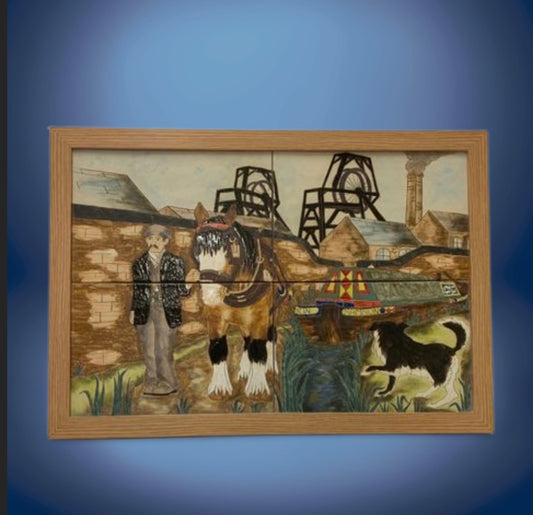
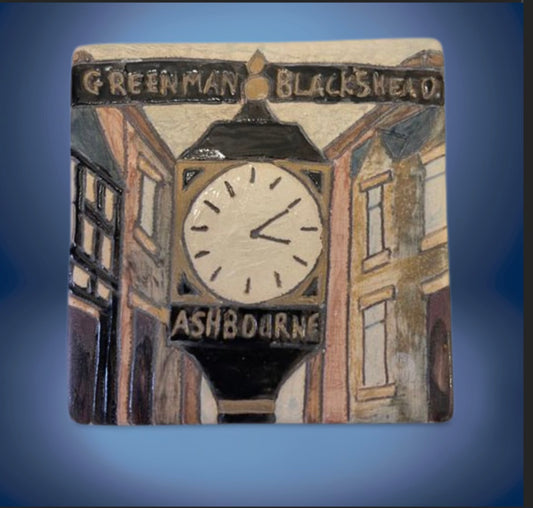
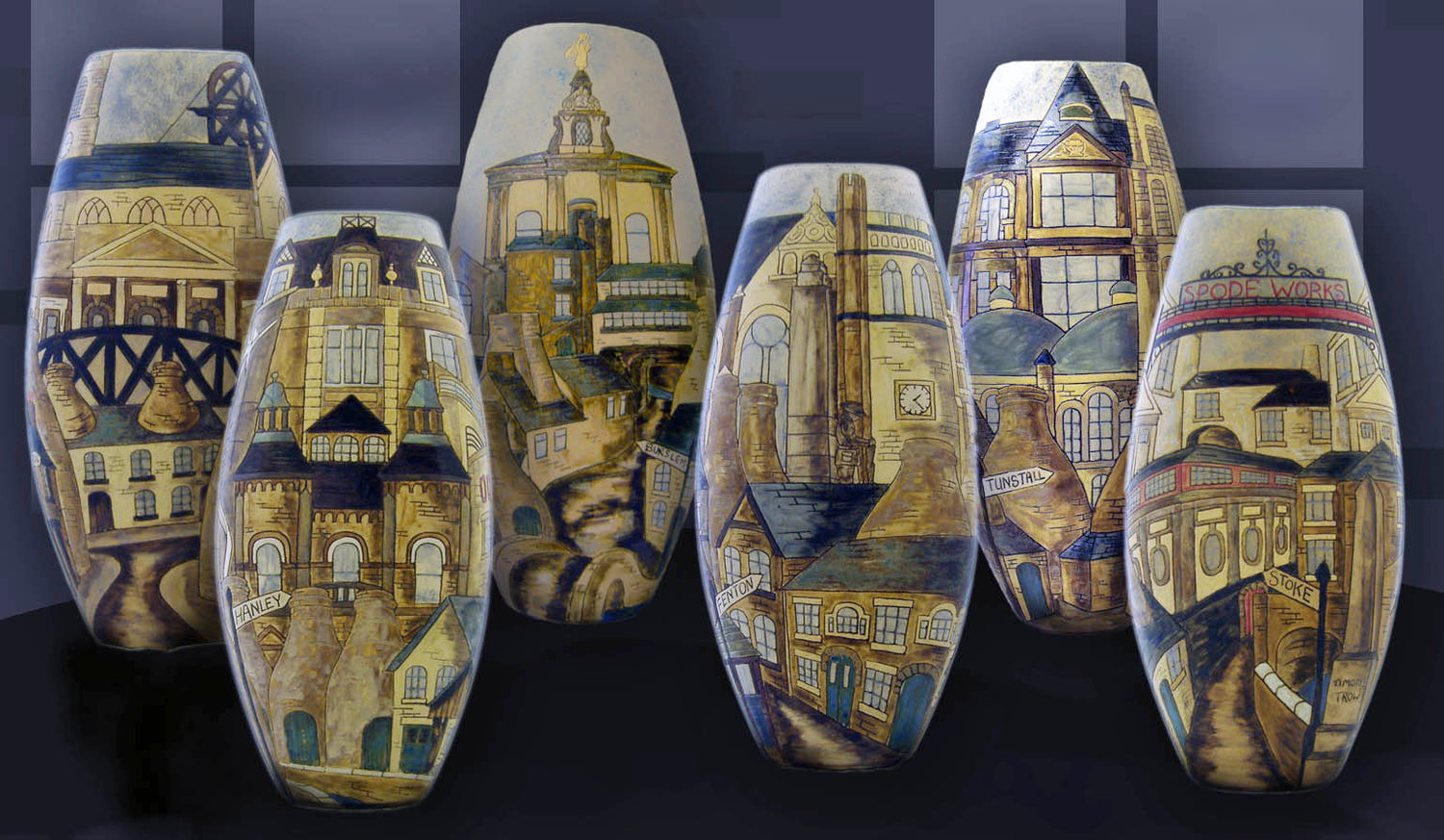
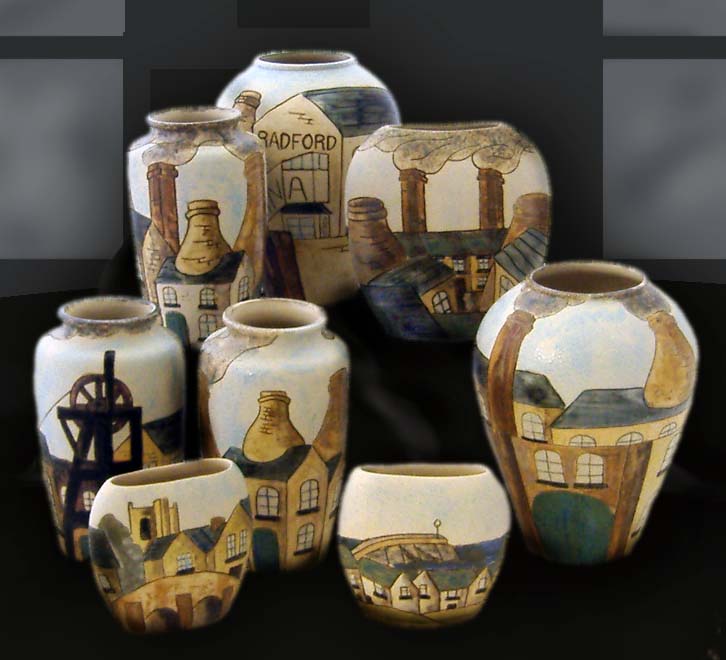
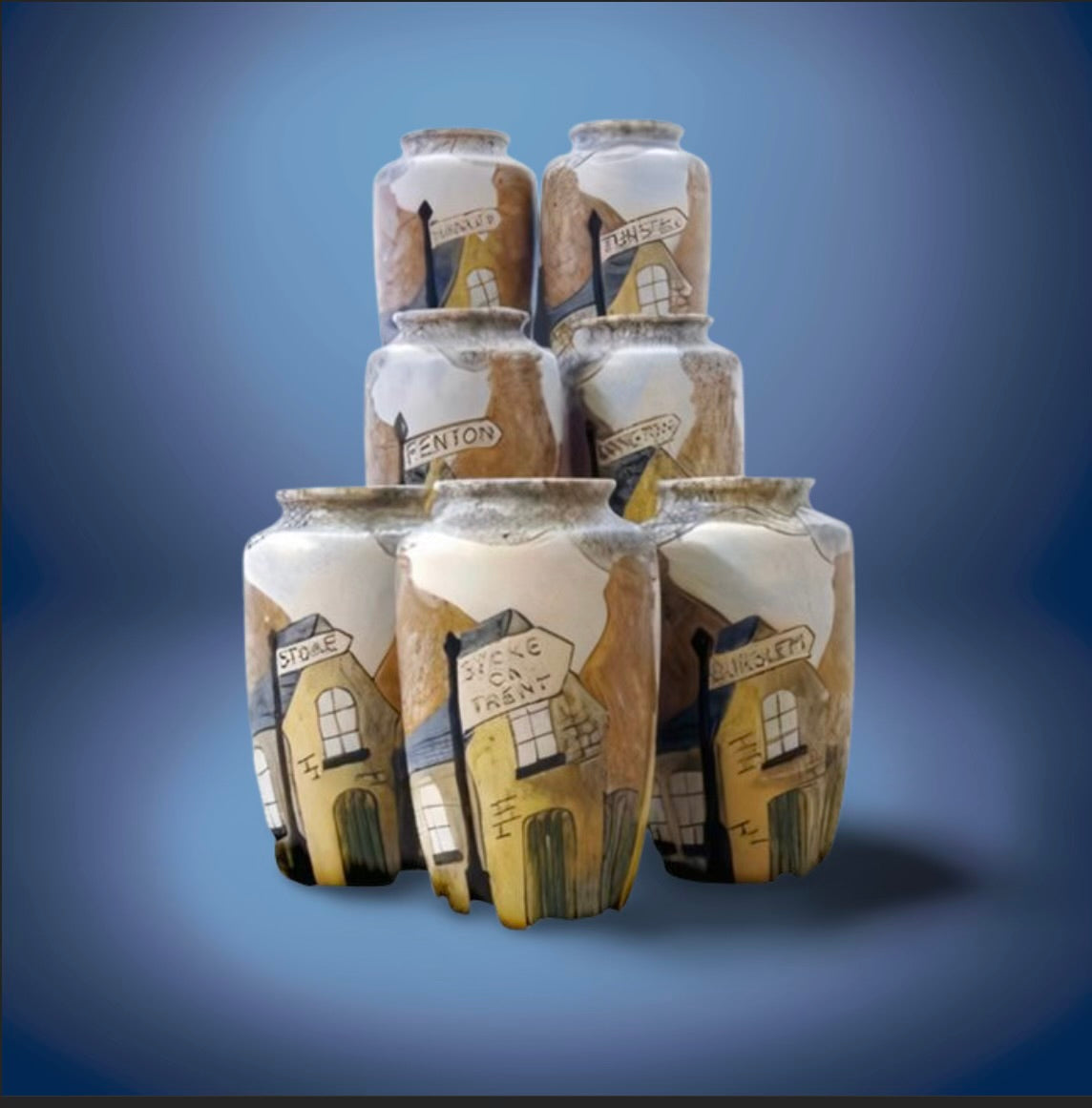
Steve Shaw has spent more time working in pottery than he cares to remember! Steve too joined us when at the time he was in a similar situation to Tracy, many would say a more secure job. Steve excelled at making the birds and animals, sculptured and designed by Andrew Hull and Rob Tabbanor. The amount of detail that has to go into making each piece can some times be mind boggling.Steve is working with very wet clay, making the handling and piece together and art in its self. Steve in his own right has been producing art work for some time. Steve was asked to try his hand at design and sgraffito work around 2007. Design was never the problem, drawing free hand onto wet clay on funny round pots was not so easy! . Many trials later, it now becomes second nature, yes each vases will be different, the odd extra bottle kiln or sheep or window will appear, but thats what makes his work so unique. We do not and never will produce designed pots that can be lined up like soldiers.Each and everyone will have there own feel,character and charm. Nothing is made in large numbers, we can be working from a catalogue of well in excess of a 100 plus models and designs each year.
Who sculptured the birds and animals?
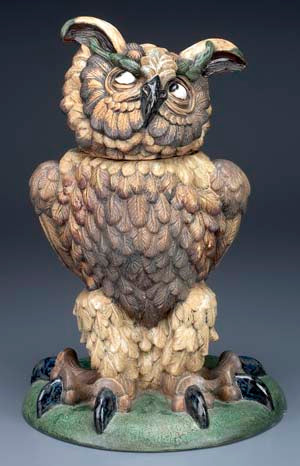
Most models have been sculptured and modelled in descending order by Andrew Hull, Rob Tabbanor & more recently by Steve Shaw.
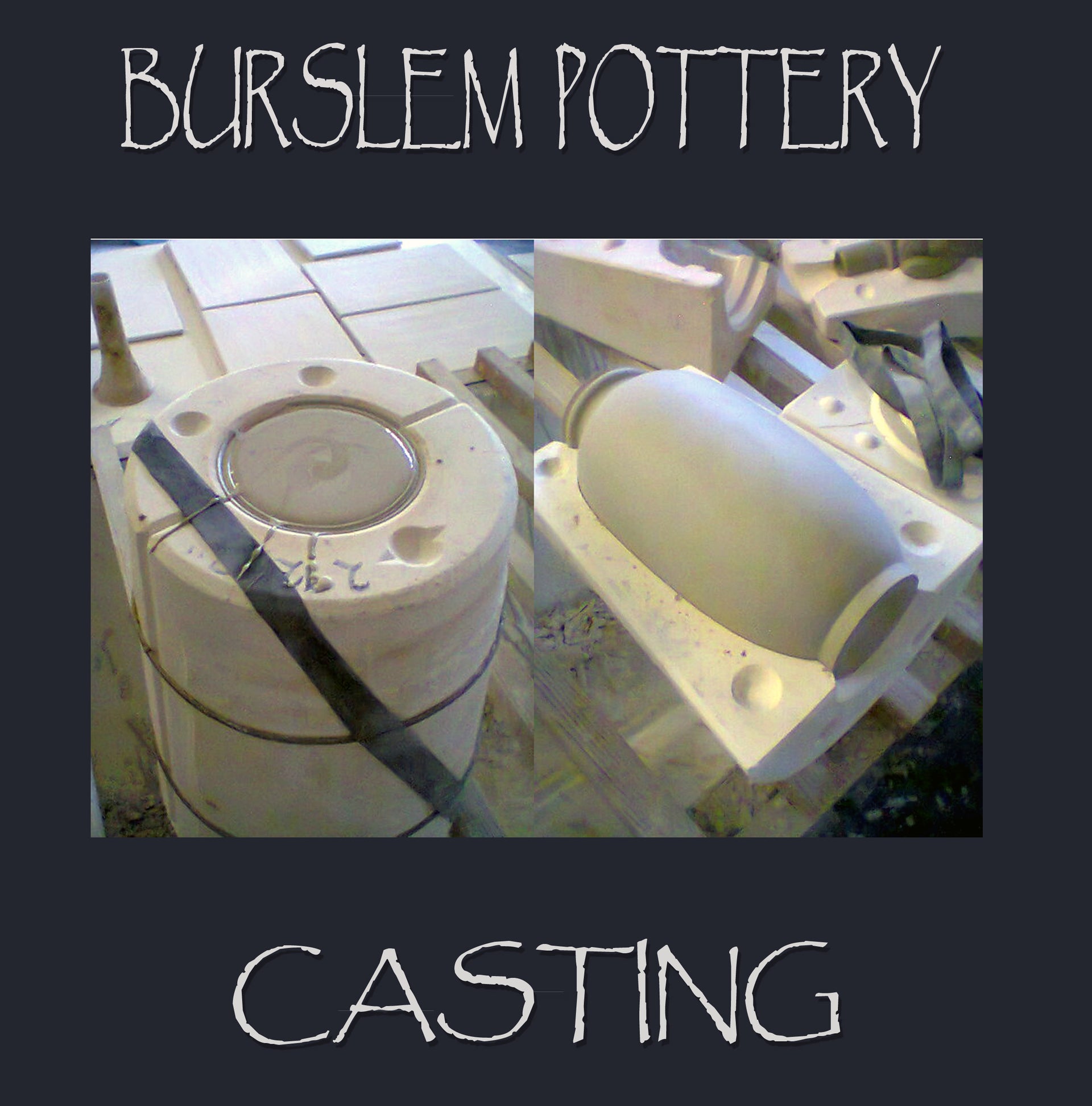
Each piece is first sketched and re-sketched then final design is made in water colour or pastels. Once approved it is then sculptured over many weeks in clay form. Each day the model is secured away in a cool damp vault. Final the clay model is finished after many days and weeks. Here i must comment about cheap models with no detail or "sticky out bits" such as wings, peaks, tallons, heads, ears, eyes, toes, claws, legs, bodies, scales, etc etc. They are made in a similar way, a cast is made around the whole model, a mould is made, the clay is poured in, and hey presto a perfect none detailed simple model comes out. Not dissimaler from casting a smoooth vase.
Our models are sent to independant award winning mould makers. They then have to spend many hours working out how to "slice up" the finished sculpture so that each individual part can be "stuck back together" making the original sculptured piece.We need now to consider that sticking up is not like a jigsaw that slots in , we have soggy wet caly going into soggy wet clay. This means that when Steve attaches each piece, it must not crack and all the origional detail is put back in on each join. (Master models are not just for colour they are for ensuring that each model has the correct detail).
To some extent the mould maker will cut up the origional sculpture to his hearts content !, He does not want to take the blame for the model not fitting back together. However if the mould maker makes a wrong cut ,the sculptor has no choice but to start all over again.
The more cuts the more problems with the making. When a bird or animal is stuck together and all the detail has been added it has a tendancy to crack during the 2 to 6 weeks drying process. We then have to revisit each model "peg in" and leave to dry for further time until first fire. "pegging in" is a term we use for re-wetting the clay and use the same precise mix of stoneware from which the origional piece was made from, work in and re-sculpture the areas that require attention.
Once the model is fully air dried, which even on our small models takes around 2 weeks first firing to bisque takes place at around 1060 centigrade over 2 days. At this stage many models can be lost. Even if one small part on an individual model has an "air lock" it can blow, which will cause untold damage to all the other models surronding it in the kiln.
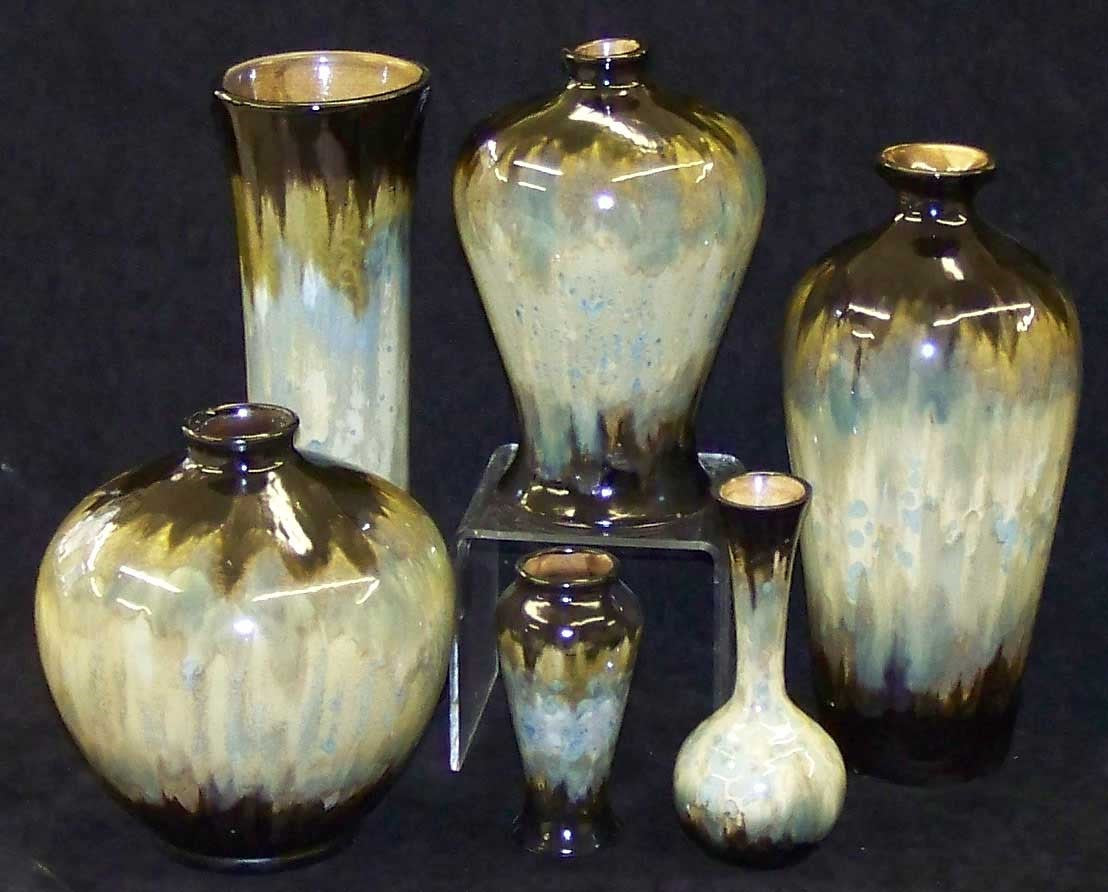
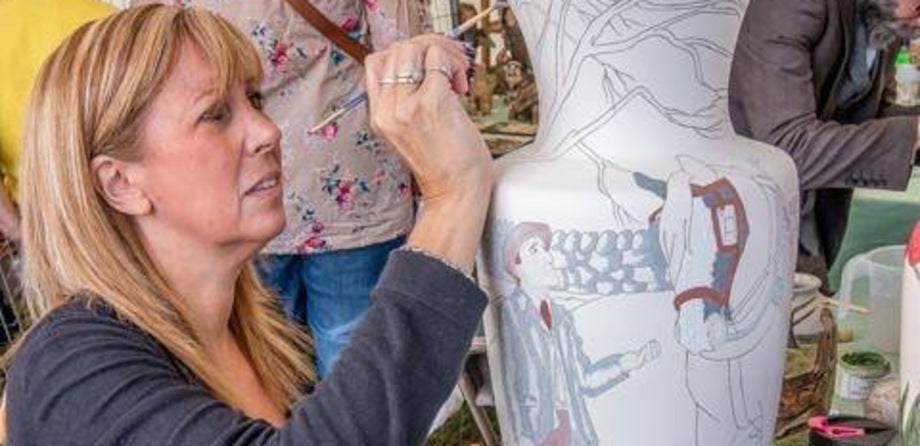
Following cooling, Tracy can then work her magic with the colours and glazes. Just because we live and work in the potteries it does not mean we can drive to the local pottery supply shop for our glazes. Most suppliers stock basic stoneware colours, that are used on more traditional stoneware vases. Most are made to fire at slightly different temperatures, which is fine if you just want to glaze a whole firing of brown vases.Because we use many different colours on each model/vase these glazes would burn away and others would not mature. We therefore have to buy from around the world and develope colours inhouse to meet our needs.
Following the glazing a second firing takes place at around 1260 centigrade, this is a very high temperature and allows our range of glazes to mature, move, and create unique work everytime. Our stoneware shrinks upto 15% from start to finish. This will vary depending on drying times and positioning in the kiln. There is no real right or wrong place for any individual model.Everytime colours and size (especially on the expressions of the birds and animals) will change making the individuality a guarantee.
Firing at 1260 creates the greatest problems. Even models that get through the 1060 firing can (and often do) explode/crack during this final firing. At these high temperatures they often blow with such force nearly all the contents can be destroyed or damaged. Sometimes we can pin point the reasons other times we have no idea why things have happened. 1260 firing takes place over 3 days which allows for the cooling before opening the kiln.Each and every kiln opening always creates great excitement which can sometimes turn to dismay, not least from our small team but also from our clients that have been eagerly awaiting there models. Hence the reason why you can not actually pay for any items online if it is not in stock.
Even if your not buying on your visit ,the doors are always "open to all" come along and see the work in progress, you will see the successes and the failures. We realise that before you make an investment as well as enriching your home you may wish to see the work and then take some time to consider your purchase. For those that take the time to visit the factory for the first time then order within two weeks, we will send out your requested models free of charge.
A showroom is now open at the factory and please feel free to call by and view and purchase from our range. Normal opening hours are Monday to Thursday 8.30 am until 4.30 pm, Fridays and Saturdays by appointment.
Please give the factory a quick call prior to your visit then we can ensure one of the team is available to show you round.
01782 824551 or 07980016588.